
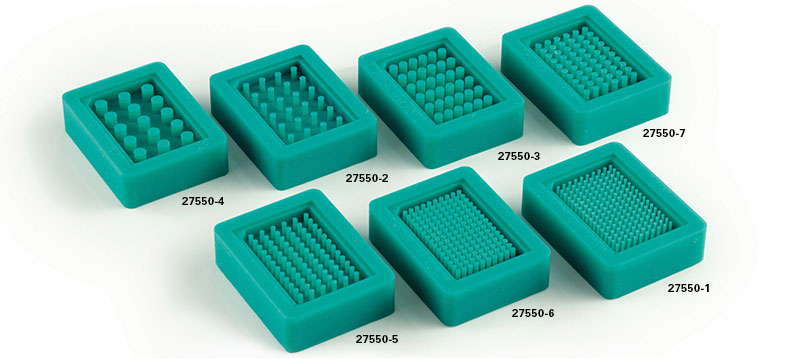
Tissue lay out applied science, commonly referred to as weave microarray(TMA), has become an necessary tool in modern font medicine search and symptomatic pathology. This original method allows researchers to analyze manifold tissue array samples simultaneously on a single slide by, improving , , and cost-effectiveness in laboratory investigations. By arrangement small cylindrical weave cores extracted from different conferrer blocks into a unity recipient paraffin choke up, scientists can evaluate hundreds of specimens under congruent enquiry conditions. This set about not only conserves valuable tissue samples but also ensures standardized testing across vauntingly patient role cohorts, making it particularly useful in cancer research and biomarker uncovering.
The development of tissue array engineering science revolutionized histopathological studies by sanctioning high-throughput analysis without vulnerable biological science detail. Traditional slide down preparation needed mortal spotting and examination of each tissue section, a work on that was time-consuming and unerect to variableness. In contrast, tissue arrays streamline workflows by consolidating numerous samples into a incorporated format. Researchers can perform immunohistochemistry, in situ hybridizin, and other building block techniques across fivefold specimens at once, ensuring that differences discovered are due to biological variation rather than procedural inconsistencies. This standardisation enhances data reliableness and supports more right comparative studies.
One of the most substantial applications of tissue arrays lies in oncology search. Cancer is a highly heterogenous , and sympathy its building block characteristics requires the evaluation of big numbers of neoplasm samples. Tissue arrays help the testing of protein verbalism patterns, genic mutations, and other biomarkers across diverse patient role populations. By correlating building block findings with clinical outcomes such as survival rates and treatment responses, scientists can identify presage and prognostic markers that guide personalized therapy. This has been particularly worthful in breast, prostate gland, lung, and body part malignant neoplastic disease studies, where targeted treatments depend on specific unit profiling.
Beyond malignant neoplastic disease research, tissue lay out engineering science is wide used in studies of septic diseases, neurologic disorders, and unhealthy conditions. It allows investigators to equate pathological and convention tissues expeditiously, helping to uncover mechanisms of advancement and potential therapeutic targets. Pharmaceutical companies also rely on weave arrays during drug to validate the verbal expression of particular targets across tissue types and assess potency off-target personal effects. The ability to psychoanalyze numerous samples simultaneously accelerates research timelines and reduces inquiry costs, qualification it an obligatory asset in change of location medicine.
Despite its advantages, weave lay out methodology requires troubled design and technical expertness. Proper survival of spokesperson tissue cores is vital to see that the set out accurately reflects the master specimen. Tumor heterogeneousness, for illustrate, can pose challenges if the sampled core does not the full of the lesion. Additionally, very conjunction and embedding techniques are essential to wield morphologic unity and keep sample loss during sectioning. Advances in automated arraying instruments and whole number pathology have significantly cleared truth and reproducibility, addressing many early on limitations of the technique.
In sum-up, tissue range technology represents a powerful promotion in histopathology and medicine research. By enabling high-throughput, standardised depth psychology of multiplex weave samples, it enhances , reduces costs, and supports big-scale biomarker validation studies. Its contributions to cancer research, drug development, and mechanism underline its vital role in Bodoni medicine. As engineering science continues to evolve, weave arrays are likely to become even more integrated with integer imaging and man-made word tools, further expanding their bear on on precision nosology and personalized health care.