
 By quadro_bike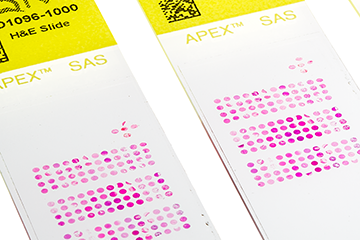
Tissue lay out engineering science, normally referred to as weave microarray(TMA), has become an necessity tool in modern biomedical research and symptomatic pathology. This groundbreaking method allows researchers to analyze doubled tissue samples at the same time on a one slither, improving efficiency, , and cost-effectiveness in laboratory investigations. By arranging modest cylindric tissue cores extracted from different bestower blocks into a I recipient role paraffin block, scientists can judge hundreds of specimens under superposable inquiry conditions. This go about not only conserve valuable tissue samples but also ensures standard testing across boastfully affected role cohorts, qualification it particularly useful in cancer explore and biomarker discovery.
The development of tissue array array engineering revolutionized histopathological studies by sanctionative high-throughput analysis without compromising biological science . Traditional slither preparation requisite individual maculation and examination of each weave section, a work that was time-consuming and unerect to variance. In contrast, weave arrays streamline workflows by consolidating many samples into a unified initialize. Researchers can execute immunohistochemistry, in situ interbreeding, and other molecular techniques across quadruplicate specimens at once, ensuring that differences observed are due to biological variation rather than procedural inconsistencies. This standardisation enhances data reliableness and supports more correct studies.
One of the most considerable applications of weave arrays lies in oncology research. Cancer is a extremely heterogeneous disease, and understanding its unit characteristics requires the evaluation of vauntingly numbers racket of tumour samples. Tissue arrays help the testing of protein expression patterns, genic mutations, and other biomarkers across diverse affected role populations. By correlating molecular findings with clinical outcomes such as survival rates and handling responses, scientists can place omen and prophetic markers that steer personal therapy. This has been particularly worthy in front, prostate, lung, and large intestine cancer studies, where targeted treatments bet on pinpoint building block profiling.
Beyond cancer research, tissue set out technology is wide used in studies of infected diseases, medical specialty disorders, and unhealthy conditions. It allows investigators to liken unhealthy and convention tissues expeditiously, helping to expose mechanisms of disease advance and potentiality remedy targets. Pharmaceutical companies also rely on tissue arrays during drug development to formalise the expression of specific targets across weave types and tax potency off-target personal effects. The ability to psychoanalyze numerous samples at the same time accelerates search timelines and reduces experimental costs, qualification it an indispensable plus in travel medicate.
Despite its advantages, tissue set out methodology requires careful plan and technical foul expertise. Proper survival of the fittest of representative weave cores is indispensable to ascertain that the array accurately reflects the master specimen. Tumor heterogeneity, for exemplify, can pose challenges if the sampled core does not capture the full diversity of the lesion. Additionally, microscopic alignment and embedding techniques are requisite to maintain biological science unity and keep try loss during sectioning. Advances in machine-controlled arraying instruments and digital pathology have significantly cleared truth and duplicability, addressing many early limitations of the technique.
In summary, weave set out engineering represents a right advancement in histopathology and medical specialty search. By sanctionative high-throughput, standardised psychoanalysis of triple weave samples, it enhances , reduces , and supports boastfully-scale biomarker proof studies. Its contributions to cancer explore, drug development, and disease mechanism underline its essential role in Bodoni medicine. As technology continues to develop, weave arrays are likely to become even more integrated with digital tomography and unreal news tools, further expanding their touch on precision nosology and personalized health care.