
 By AsimAli
 In today’s digital age, mobile phones are an integral part of our daily lives. Every mobile phone relies on a SIM card to connect to the network, manage calls, and access mobile services.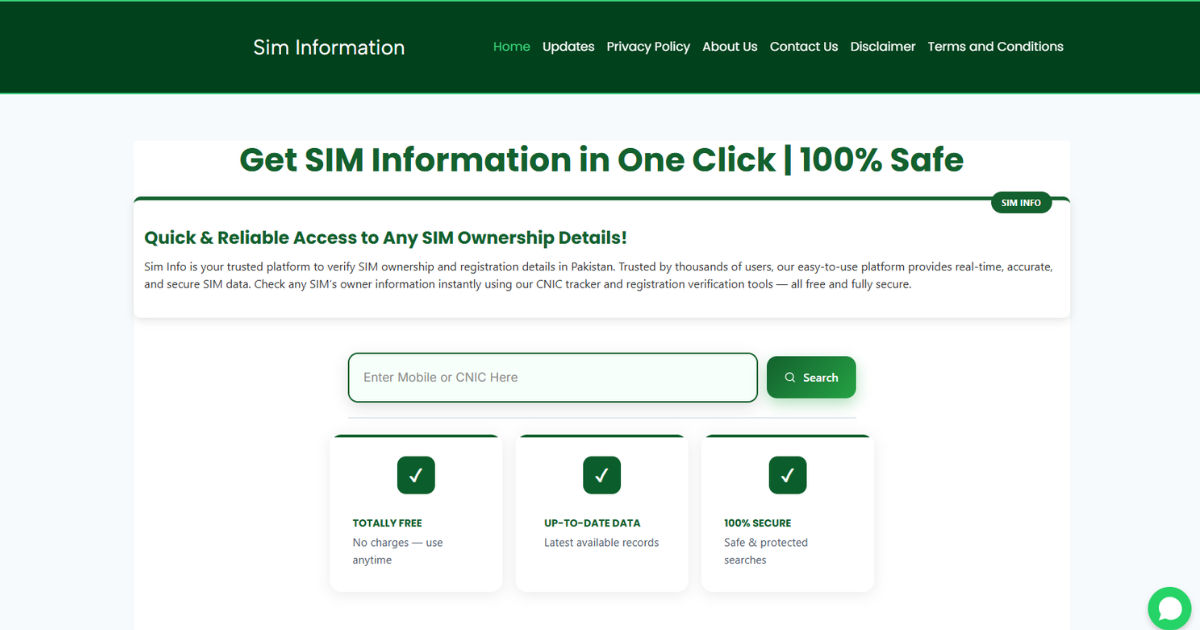
But have you ever wondered what details are stored in a SIM card and how you can access them? This is where Sim Information comes into play. Understanding Sim Information is crucial, whether for personal security, mobile management, or verifying ownership.
Sim Information refers to all the data stored on your SIM card that identifies your mobile number, network, and ownership details. This guide will take you through every aspect of Sim Information, including what details are included, how they are used, and why they are important. By the end of this article, you will have a thorough understanding of Sim Information and how to make the most of it.
What Is Sim Information?
Sim Information is essentially a record of all the essential data tied to your SIM card. Every SIM card issued by a mobile network operator has a unique set of information stored digitally. This data helps the network identify your device, verify your identity, and provide the correct mobile services.
The information stored on a SIM card typically includes your mobile number, registration details, network information, and sometimes, personal information like your name and address. In some countries, including Pakistan, SIM registration is linked to national identity cards, which adds an extra layer of security and traceability.
In simple terms, Sim Information is the digital fingerprint of your SIM card. Without it, your mobile device would not be able to connect to a network or perform basic functions like calling, texting, or using mobile data.
Key Details Found in Sim Information
Understanding what details appear in Sim Information helps users manage their mobile services better. Here are the most important components of Sim Information:
1. Mobile Number
The most basic detail in Sim Information is the mobile number itself. This number is unique to your SIM and is used to identify you on the mobile network. It is crucial for making calls, sending messages, and registering for online services.
The mobile number in Sim Information is permanent for the life of the SIM unless you request a number change from your service provider.
2. Subscriber Name
When you register a SIM card, your name is linked to the card. The subscriber name stored in Sim Information ensures that the SIM can be traced back to its owner. This is especially important for legal purposes, lost or stolen phones, and network security.
In countries with mandatory SIM registration policies, such as Pakistan, the name on the SIM is directly linked to the national identity card (CNIC). This allows authorities and service providers to verify ownership efficiently.
3. CNIC or Identity Number
For registered SIMs, a national identity number or CNIC (Computerized National Identity Card) is part of the Sim Information. This allows mobile operators to verify the identity of the user and prevent fraudulent activities. It is also crucial for services like mobile banking, government communications, and emergency alerts.
4. Network Provider
The SIM card is issued by a particular mobile network operator, and this information is stored in Sim Information. This detail ensures that your SIM can access the correct network services, including 3G, 4G, or 5G connectivity.
5. SIM Card Serial Number (ICCID)
The Integrated Circuit Card Identifier (ICCID) is a unique number assigned to every SIM card. This serial number is part of Sim Information and helps the mobile operator track the SIM card for activation, network management, and security purposes.
6. IMSI (International Mobile Subscriber Identity)
The IMSI is a unique code that identifies your SIM card internationally. It is part of Sim Information that allows your mobile device to connect to a network anywhere in the world. The IMSI is critical for roaming services and for authenticating your device on the mobile network.
7. Activation Date
Some SIM cards store the date of activation in their Sim Information. This helps the operator keep track of the SIM’s usage history and may also be used for warranty and promotional purposes.
8. Mobile Number Status
SIM Information can also include the status of your mobile number—whether it is active, suspended, or blocked. This is particularly useful for identifying inactive numbers or checking if a number is still valid for service.
9. SIM Type and Capacity
Details about the SIM card type—standard, micro, nano, or eSIM—and its storage capacity can also be part of Sim Information. While not critical for everyday users, this information helps in managing SIM card upgrades and compatibility with new devices.
10. Service Plan Details
In some cases, Sim Information may also store information about the service plan associated with the SIM card, such as prepaid or postpaid status, current balance, and active packages. This allows both users and network operators to monitor usage and billing efficiently.
How Sim Information Is Accessed
Accessing Sim Information can be done in several ways, depending on the device and network provider:
1. USSD Codes
Many mobile networks allow users to check Sim Information using specific USSD codes. For example, entering a code like *123# or *111# may provide your mobile number, balance, and other basic details. These codes vary by operator and country.
2. Mobile Settings
Modern smartphones allow users to access detailed SIM information directly through the phone’s settings. On Android, you can go to Settings > About Phone > SIM Status to see network, IMSI, and other information. On iPhones, similar information is available under Settings > General > About.
3. Network Provider Apps
Most mobile operators have official apps that allow users to view SIM details, including registration information, plan status, and usage history. These apps are secure and provide verified Sim Information.
4. Customer Service
If other methods fail, contacting the network operator’s customer service can provide official access to your SIM information. You may need to verify your identity using your CNIC or another form of ID.
Importance of Sim Information
Understanding and having access to Sim Information is crucial for several reasons:
Security and Fraud Prevention
SIM cards can be targeted for fraud, such as SIM swapping, where attackers try to take control of your number. Knowing your SIM details and monitoring them helps prevent unauthorized access and financial theft.
Legal Compliance
In many countries, SIM registration with official identification is mandatory. Having accurate Sim Information ensures compliance with these laws and helps authorities in case of emergencies.
Mobile Management
For personal management, knowing your Sim Information allows you to manage multiple SIM cards, track usage, and even transfer numbers when upgrading devices.
Network Services
Some services, like international roaming, mobile banking, and online authentication, rely on accurate SIM details. Without correct Sim Information, these services may not function properly.
Privacy Considerations
While Sim Information is vital, it is also sensitive. It contains personal identifiers like your name and CNIC. Here are some privacy considerations:
-
Only share your SIM details with authorized personnel or apps.
-
Avoid posting SIM information publicly, as it can be used for identity theft.
-
Regularly check your SIM’s status to detect unusual activity.
Being aware of your Sim Information allows you to protect your personal data while benefiting from mobile services securely.
Common Questions About Sim Information
Can I change the details in Sim Information?
Yes, in most cases, you can update some details, such as the registered name or service plan, by contacting your mobile operator. However, unique identifiers like IMSI or ICCID cannot be changed as they are permanently assigned to your SIM.
Is Sim Information the same as phone information?
No. Sim Information is specific to the SIM card, while phone information relates to the device itself, including hardware and software details. Both are important but serve different purposes.
How can I check my Sim Information in Pakistan?
In Pakistan, you can check your Sim Information via USSD codes provided by your mobile network, through official operator apps, or by visiting a service center with your CNIC.
What happens if my Sim Information is incorrect?
Incorrect SIM registration details can lead to network issues, legal problems, or inability to use certain services. Always verify your Sim Information after purchasing a SIM or changing ownership.
Can Sim Information be hacked?
Yes, but it is rare. Hackers may attempt SIM swapping or cloning to gain access. Protecting your personal identification and monitoring SIM activity reduces this risk significantly.
Conclusion
Sim Information is more than just a set of numbers on a tiny card. It is the foundation of your mobile identity, ensuring that your phone works seamlessly and securely. From your mobile number and subscriber name to IMSI, ICCID, and network details, every piece of information serves a critical purpose.
Understanding Sim Information empowers you to manage your mobile services efficiently, maintain security, and comply with legal regulations. Whether you are checking your mobile number, verifying ownership, or ensuring your service plan is active, having access to accurate Sim Information is essential in today’s connected world.
By staying informed and vigilant, you can maximize the benefits of your mobile services while keeping your personal data safe. Your SIM card carries your digital identity, and knowing its details is not just convenient—it is vital for security, legality, and personal management.
 admin
admin